
 Ja
Ja  +81-3-6259-1713

Revolutionizing Pharmaceutical R&D with AI
Drug discovery / life science research

Partner companies








Empowering life science research with LPIXEL’s AI image analysis technology
Large and diverse volumes of imaging data are routinely generated across all processes of drug discovery and life science research.
LPIXEL provides end-to-end support for imaging related challenges in pharmaceutical drug discovery, CMC research and manufacturing processes, and general life science research, spanning from experimental design to optimal data acquisition for AI training, through to AI implementation.
IMACEL case studies
Extensive experience supporting the pharmaceutical and life science sectors
With a strong record of success though numerous collaborative and contract-based research initiatives, including with leading pharmaceutical companies, we serve as a trusted R&D partner to our clients.
We leverage this extensive experience to provide effective solutions to your most pressing image analysis challenges.
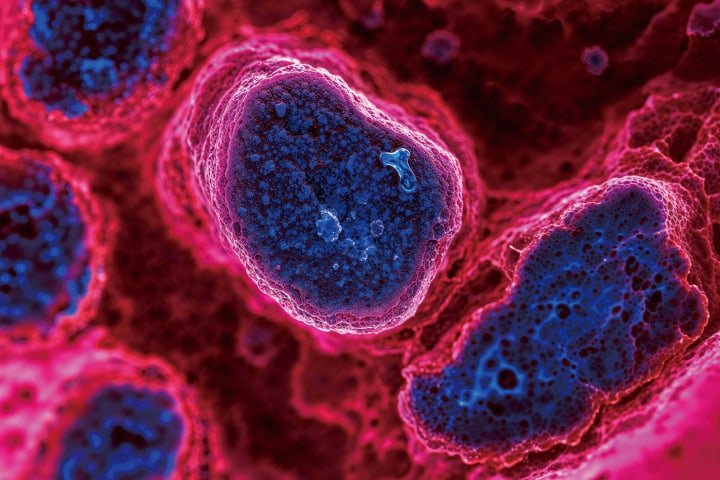
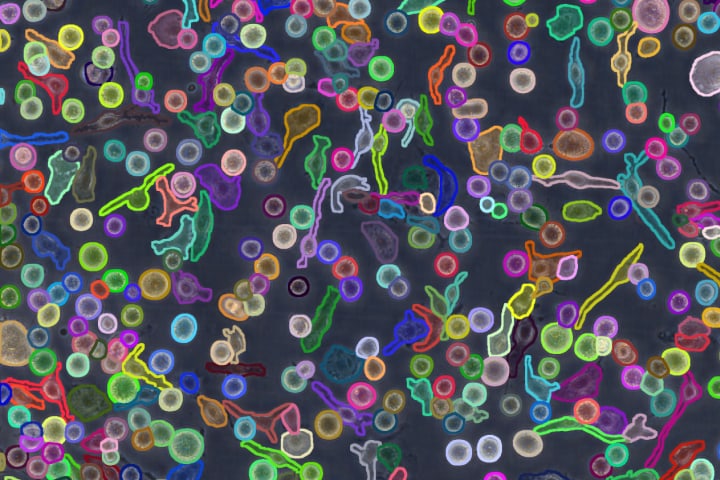
- Phenotypic Screening
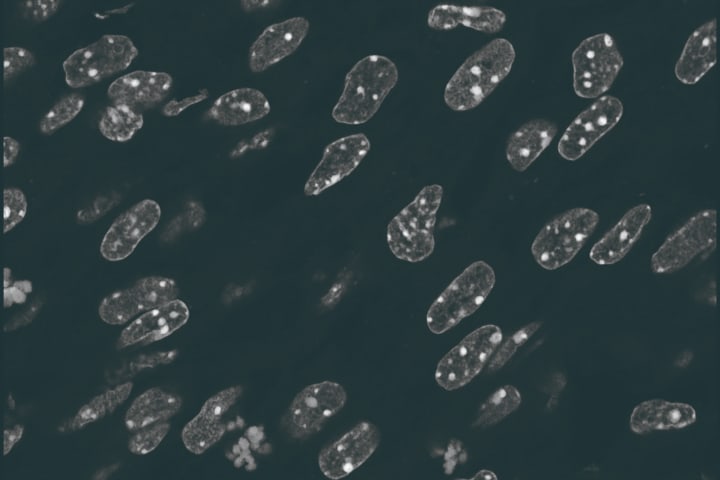
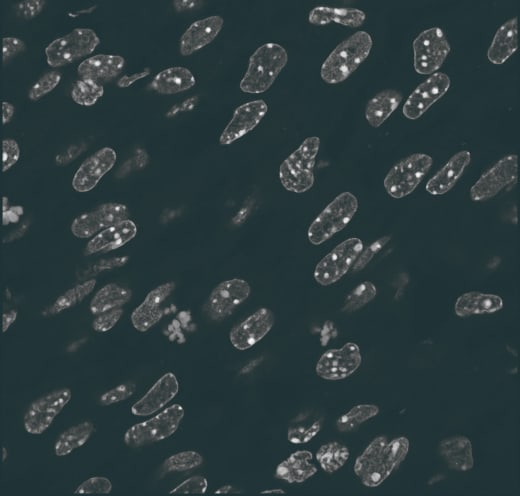
- iPS cell differentiation assessment
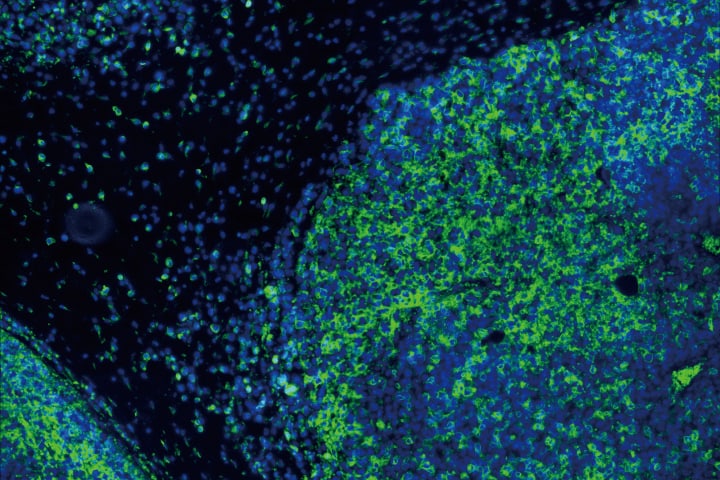
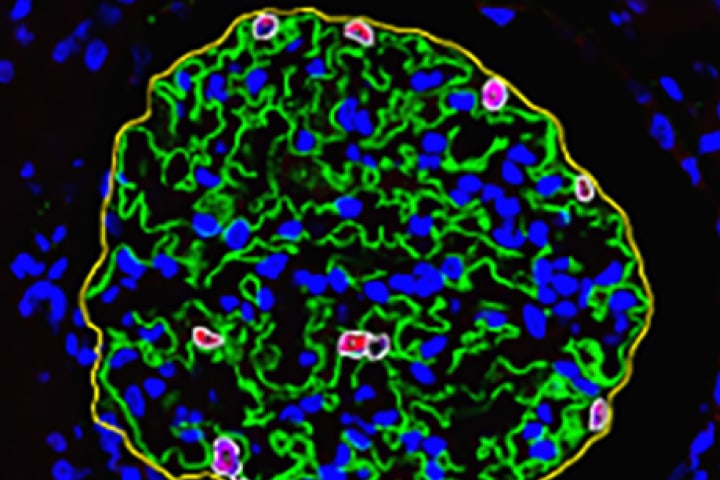
- Pathological specimen spatial analysis
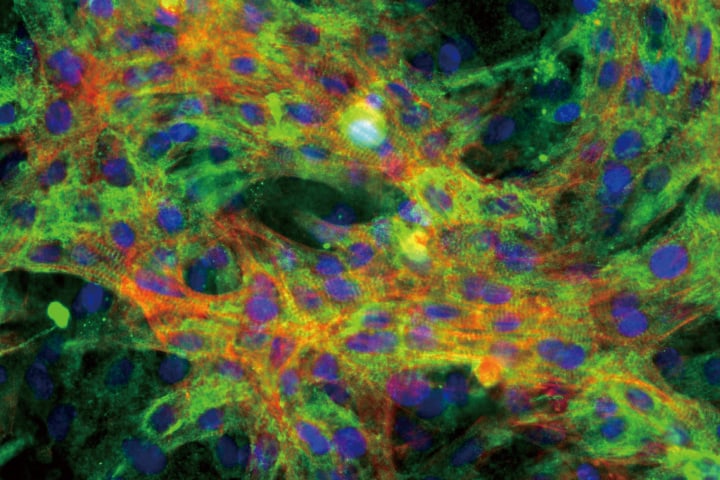
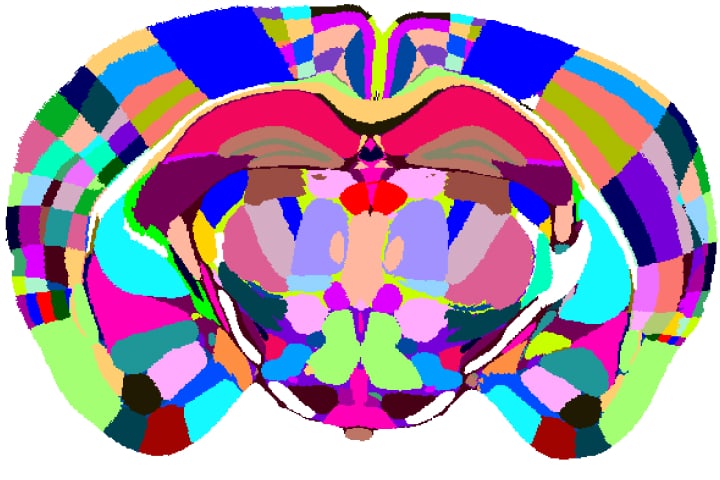
- MoA / toxicity prediction via cell painting
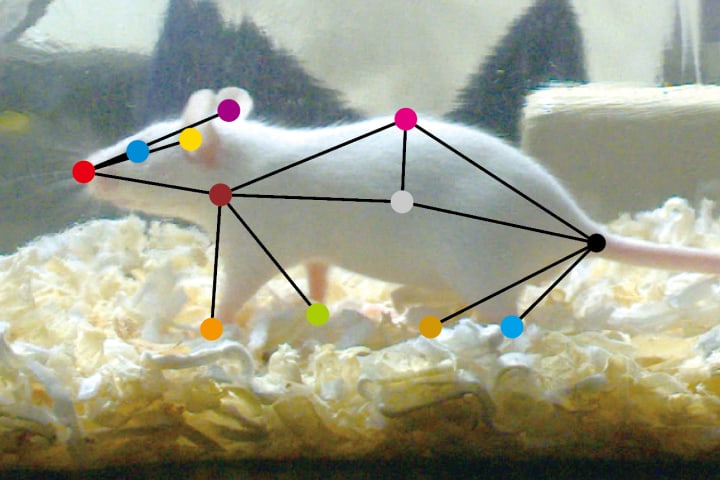
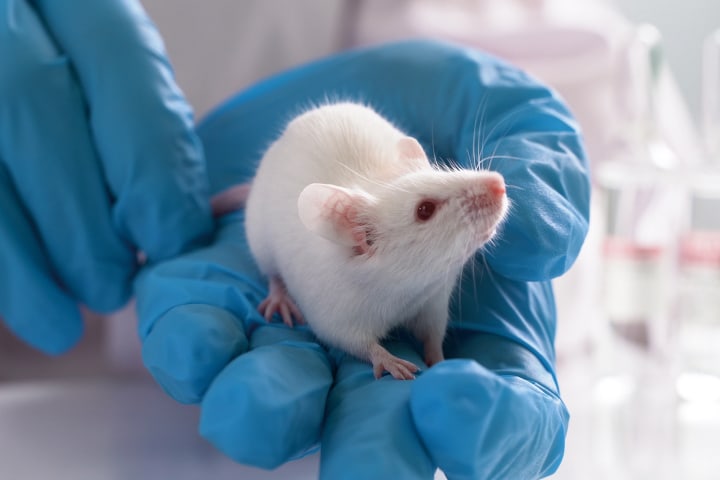
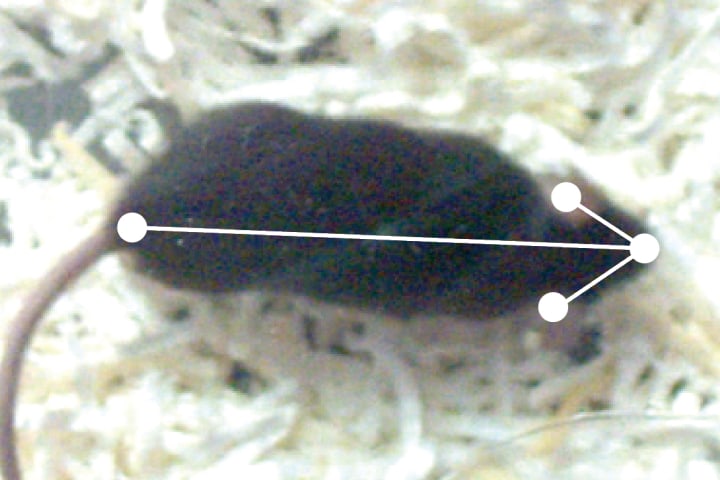
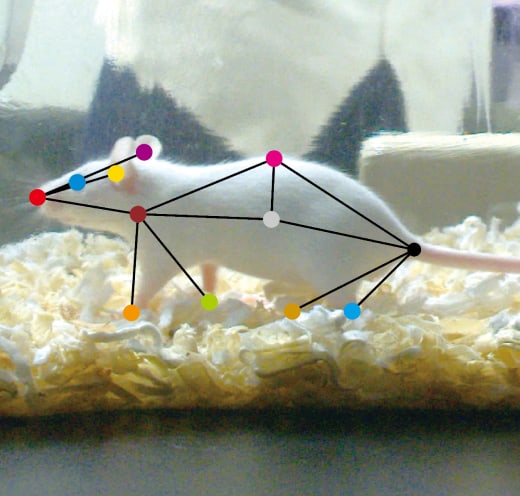
- Animal Behaviour Analysis
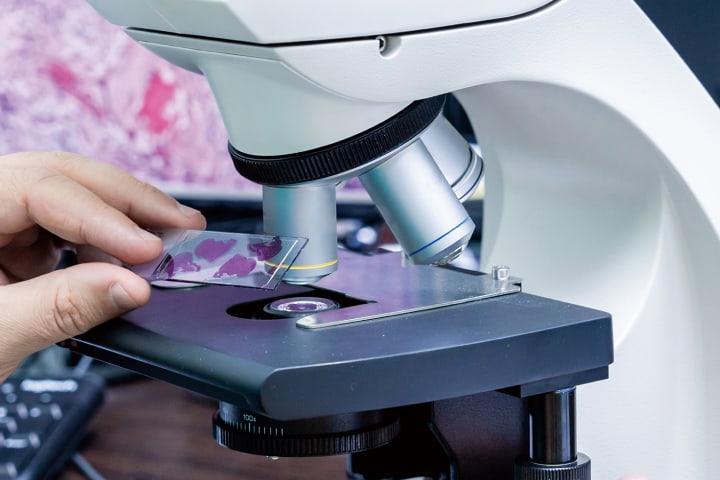
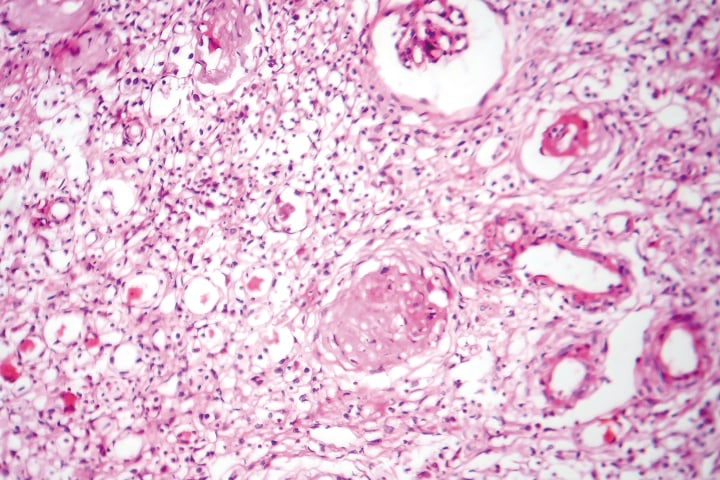
- Pathology specimen analysis
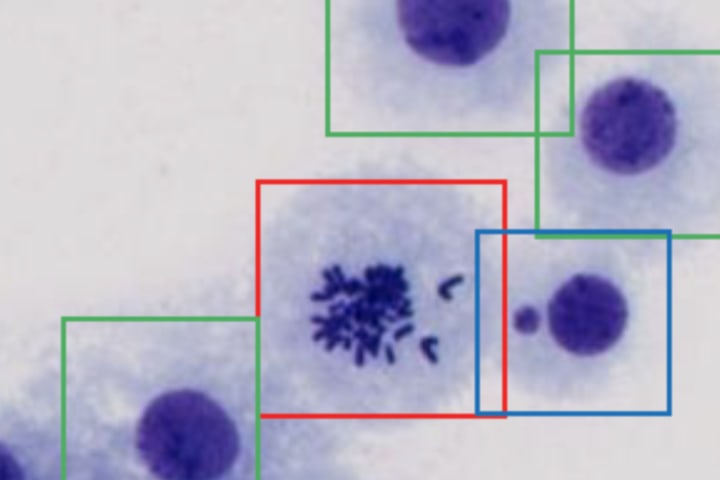
- Automated Micronucleus Test Evaluation
- Defect detection
- Integration of image-analysis AI into manufacturing equipment
- Support for laboratory and factory automation

Partnership approach
1. Custom-tailored AI development
AI Development Process
Consultation /
task setting
Proof of Concept
Full Development
Operation
2. Pre-configured solutions
IMACEL Platform
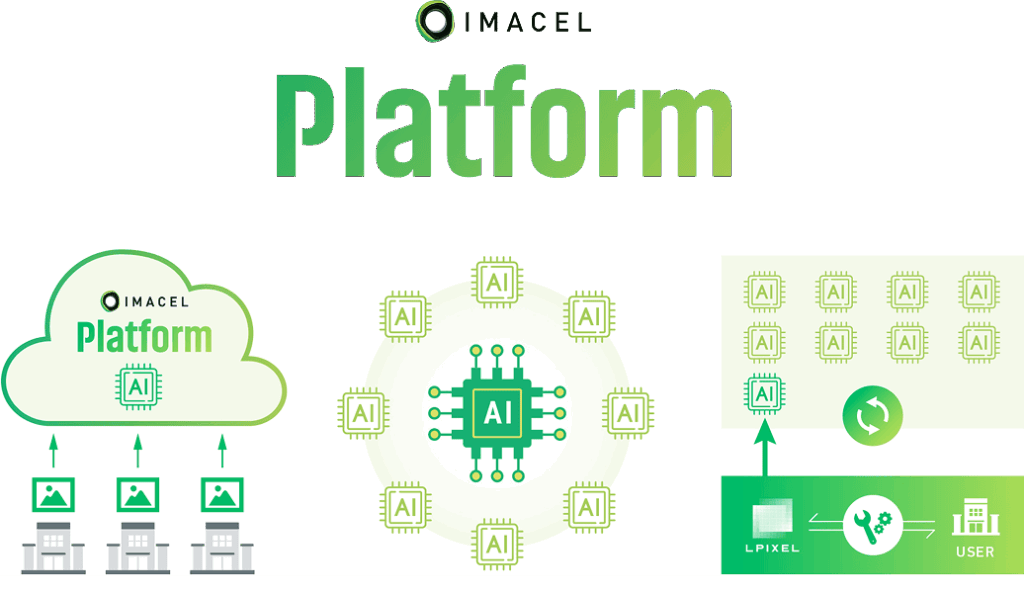

A cloud-based, no-code platform that allows users to run high-performance AI image analysis models without specialist knowledge, providing an environment where AI can be used more easily, conveniently, and affordably.
Cell Motion Imaging System


A cellular motion analysis suite that enables the quantitative evaluation of cell movement in unstained, non-invasive conditions using commercially available cell culture microscopes and imaging devices, eliminating the need for specialized culture vessels or staining reagents that were traditionally required.
Benefits of introducing AI image analysis

01
Enable novel approaches
AI enables the identification of features and subtle distinctions not possible with conventional analysis methods, opening possibilities for novel evaluation methods and deeper insights.

02
Eliminate subjectivity
Eliminating the subjectivity inherent in analyses by individual researchers yields more accurate, quantitative evaluation results, while training AI on expert-level criteria ensures that all assessments maintain a consistently high technical standard.

03
Automate repetitive tasks
Automating image analysis tasks with AI significantly reduces labour, allowing researchers to focus on their most impactful work.
LPIXEL’s Core Strength
A team of dual-trained scientist-engineers specializing in medicine and the life sciences
Our AI engineers possess extensive experience and domain knowledge in the fields of medicine and the life sciences.
We don’t just make tools. With a thorough understanding of research and clinical processes, we provide comprehensive end-to-end support including advising on experimental design, optimal imaging solutions, and data acquisition strategies to help our partners achieve their real objectives effectively.
Expert Team
Engineer bio #1
Ph.D. in Life Sciences, Graduate School of Frontier Sciences, The University of Tokyo.
Engaged in research at The University of Tokyo for over ten years, serving as a Project Associate Professor and other roles.
・2001: Selected for the Mitō Software Creation Project by IPA (Information-technology Promotion Agency, Japan) for the theme: “Development of a Semi-Empirical General-Purpose Cell Simulation Environment Utilizing Physical Chemistry.”
・2002 – 2013: Participated in the World Computer Shogi Championship as the team “Ōtsuki Shogi” (highest ranking: 2nd place).
・2007: Received the Young Scientist Award from the Botanical Society of Japan.
・2008: Received the Special Jury Award at the 8th Bio-Business Competition JAPAN.
Engineer bio #2
Ph.D. in Life Sciences, Graduate School of Frontier Sciences, The University of Tokyo.
(Research theme: Elucidation of the mechanisms maintaining the undifferentiated state of neural stem cells)
Specializes in the interdisciplinary field of Cell Biology and Information Science.
Participated in iGEM (the International Genetically Engineered Machine competition) held at MIT (Bronze Medal).
Served as a JSPS (Japan Society for the Promotion of Science) Research Fellow (DC1) and as a Project Researcher at the Graduate School of Pharmaceutical Sciences, The University of Tokyo, focusing on neural stem cell research.
Joined LPIXEL in 2017. Currently serves as the Science Group leader within the Research and Development Division, leading the implementation and operation of image analysis AI in collaboration with pharmaceutical companies and academia. Concurrently, continues work as a Visiting Researcher.
Engineer bio #3
Ph.D., Pharmaceutical Sciences, The University of Tokyo (specialized in nanoscale analysis of intracellular mRNA localization and dynamics using single-molecule fluorescence microscopy).
Has also worked on the development of cell-tracking software as a postdoctoral researcher, and concurrently serves as a Research Scientist at RIKEN.
Licensed Pharmacist.
Engineer bio #4
MSc, Graduate School of Engineering, The University of Tokyo (Specialized in imaging systems and image processing for earth observation satellites).
Subsequently worked at a major manufacturer developing industrial inspection equipment utilizing machine learning and spectroscopic technology, gaining experience in the social implementation of products that use deep learning.
Joined LPIXEL in 2019. Has been responsible for numerous contract development projects, including Proof-of-Concepts (PoCs), such as sperm motility analysis and surgical support AI.
Also involved in model development, implementation, and regulatory affairs support for LPIXEL’s own diagnostic imaging AI SaMD (brain MRI and colononoscopy analysis).
Capable of handling a wide range of tasks, from imaging system design to model development, and AI implementation optimized for real-time processing.
Engineer bio #5
MSc, Keio University Graduate School. Focuses on life science research utilizing IT. Research topics include:
・Dynamic simulation of cell positioning mechanisms during early embryo development in C. elegans (nematode).
・AI detection of vertebral compression fractures in plain X-ray images.
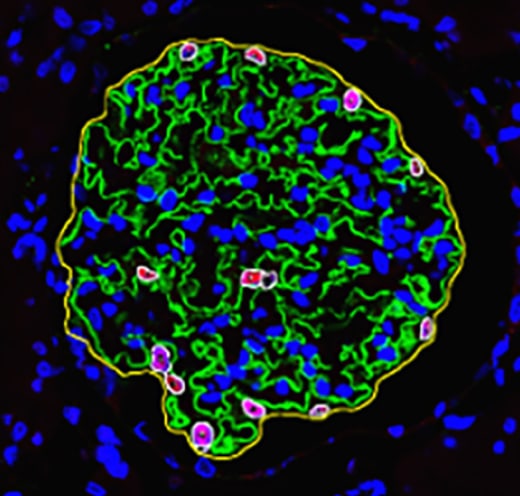
・AI evaluation of kidney pathology images.
Engineer bio #6
Ph.D, Graduate School of Frontier Biosciences, Osaka University.
Held Assistant Professor positions at The University of Tokyo, Osaka University, and Okayama University, engaging in medical and biological research.
Was involved in orthopedic research for approximately ten years, focusing on:
・Elucidation of the pathology of osteoarthritis of the knee.
・Research and clinical trials related to regenerative medicine and stem cell therapy.
・Development of stem cell media and culture substrates.
Subsequently, shifted to the field of tumor research, primarily undertaking transcriptome analysis, single-cell gene expression analysis, and spatial omics. Simultaneously, also worked on pathology image analysis and deep learning.
Has authored 10 first-author papers in international journals, with approximately 70 papers in total, including co-authored works. Currently continues work as a visiting researcher.
Achievements, Publications, and Initiatives
Publications and Presentations
- A new deep-learning model using YOLOv3 to support sperm selection during intracytoplasmic sperm injection procedure.(Reprod Med Biol. 2022 Apr 4;21(1):e12454.)
- BAPGAN: GAN-based bone age progression of femur and phalange x-ray images. (Proc. SPIE 12033, Medical Imaging 2022)
- AI-Based Histopathological Lesion Assessment for Safety Evaluation in Rat Kidney and Testis(The 41st Annual Meeting of the Japanese Society of Toxicology, 2025)
- Comparative study of mouse itching behavior evaluation using AI analysis (The 130th Annual Meeting of the Japanese Association of Anatomists, the 102nd Annual Meeting of the Physiological Society of Japan, and the 98th Annual Meeting of the Japanese Pharmacological Society, 2025)
- Development of an automatic medium-scale synthetic device for lab automation.(The 2024 Summer Symposium of the Society of Process Chemistry)
- Development and Validation of a Deep-Learning Algorithm to Estimate Human Podometrics(The 67th Academic Meeting of the Japanese Society of Nephrology)
Partner organizations
- DAIICHI SANKYO COMPANY, LIMITED
- Takeda Pharmaceutical Company Limited
- Astellas Pharma Inc.
- TAIHO PHARMACEUTICAL CO., LTD.
- Chugai Pharmaceutical Co., Ltd.
- Kyowa Kirin Co., Ltd.
- Shionogi TechnoAdvance Research CO., LTD.
- Maruho Co., Ltd.
- ASAHI KASEI PHARMA CORPORATION
- Global pharmaceutical company (company name undisclosed)
- National Institutes for Quantum Science and Technology
And more
(In no particular order) This is a partial list, including only public organizations that have granted publication permission.
Initiatives
- Member – Shonan Health Innovation Park (Shonan iPark) (since January 2021)
- Official strategic partner of DAIICHI SANKYO COMPANY, LIMITED (since July 2022)
- Solution partner – drug discovery DX and innovation initiative “Tokyo-1” (since May 2024)
 Request information